

how can the hidden training data of machine learning systems be made materially visible? ✴︎ ∿
how can the hidden training data of machine learning systems be made materially visible? ✴︎ ∿
ground truth (2024-ongoing)
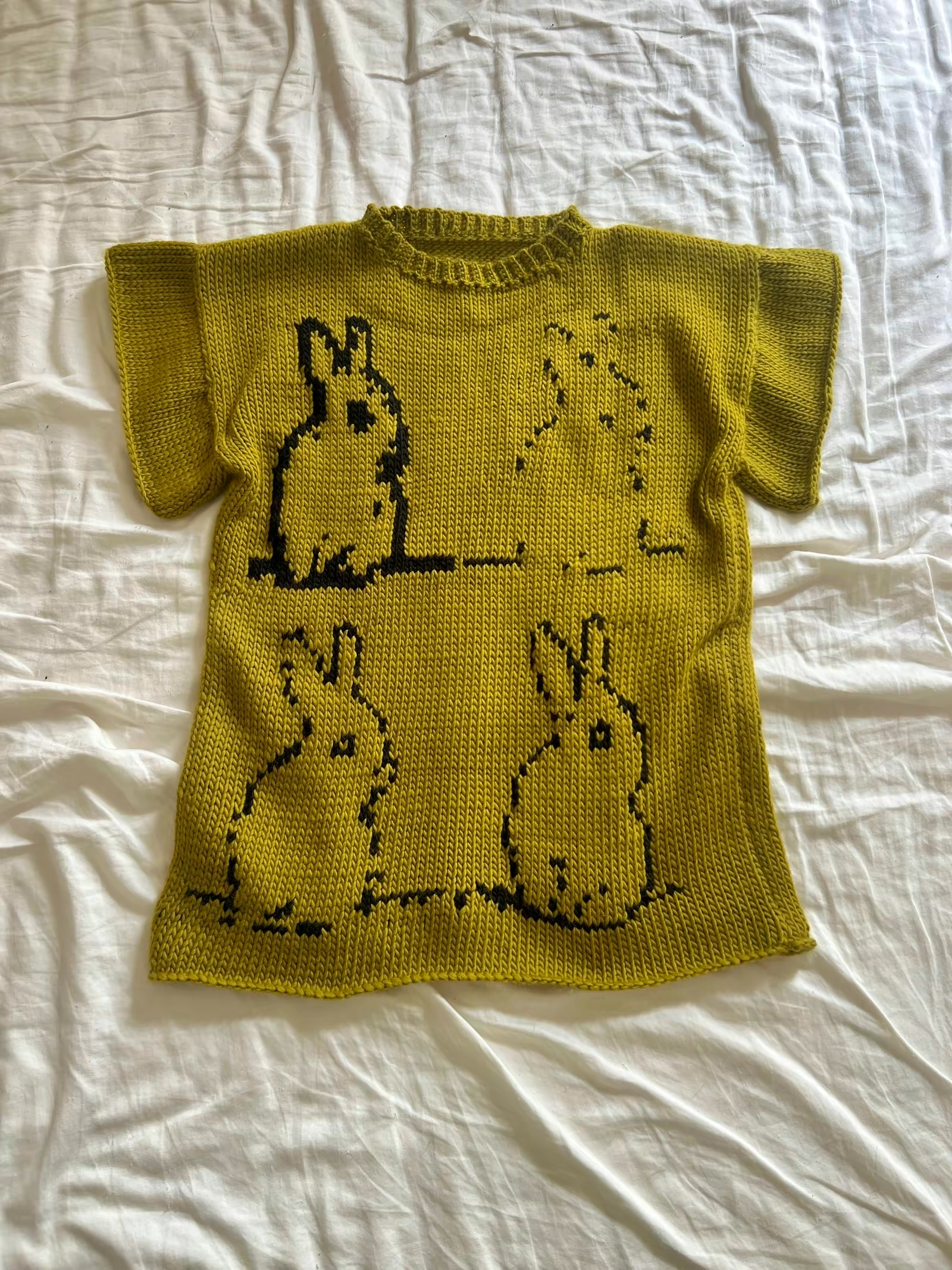
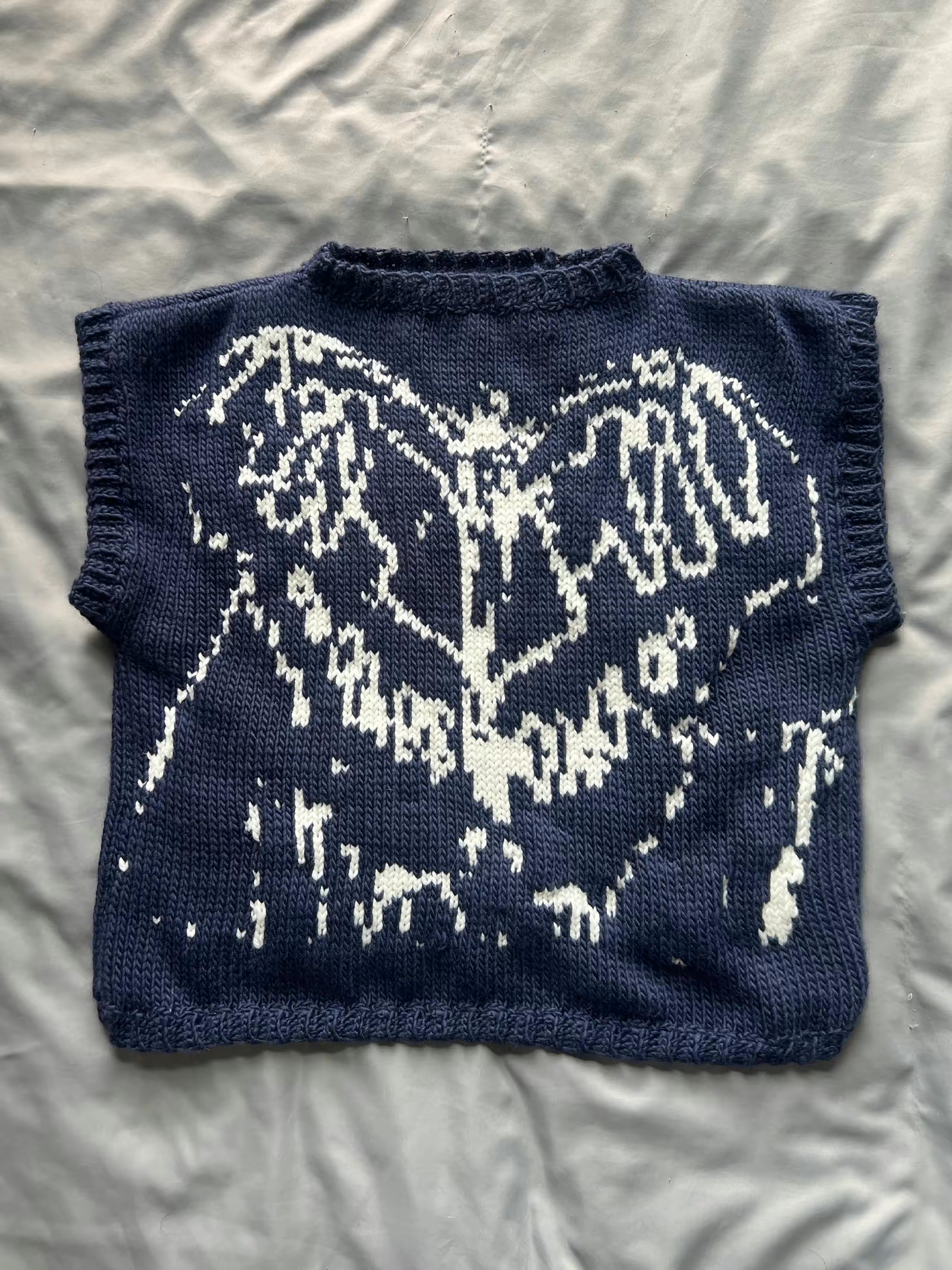
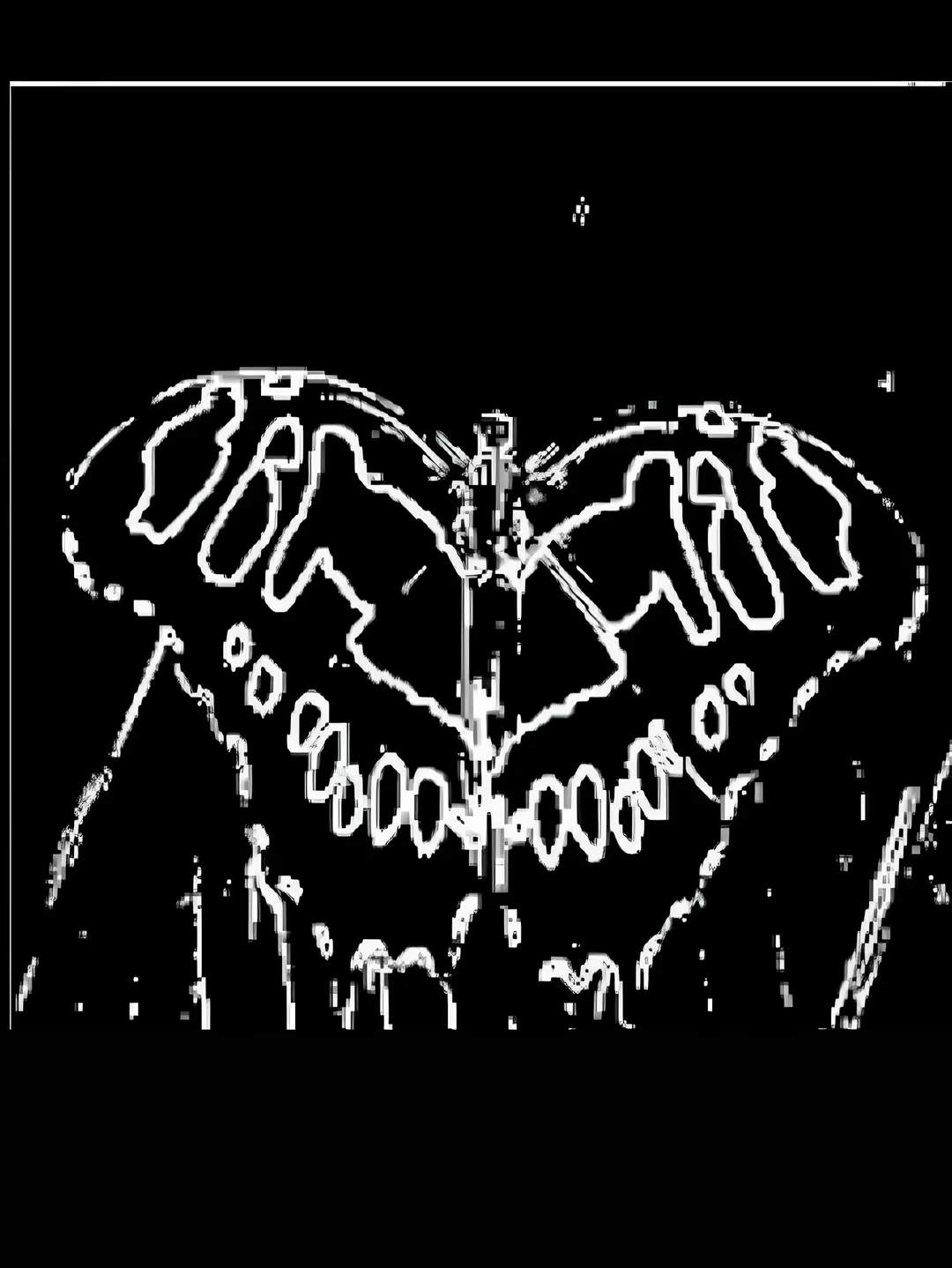
Ground Truth is a series of wearable knits inspired by my experience as a data labeller, where I spent countless hours with the raw visual data that trains machine learning systems. Each piece draws from images that remain largely invisible: training datasets, failed experiments, and diagnostic visualizations that document AI's stuttering attempts at vision.
Like Trevor Paglen's work exposing the hidden infrastructures of surveillance, Ground Truth makes visible the typically concealed labor that underpins our digital systems. Where Paglen photographs the physical sites of data collection, these garments materialize the visual fragments within those systems including the pixelated attempts at recognition, the categorical boundaries drawn around bodies and objects.
The title references both the technical term for verified training data and the broader question of what we accept as truth. In machine learning, "ground truth" represents human-verified data against which algorithmic learning is measured. Yet this supposedly objective standard is built from subjective decisions (my decisions) about how to categorize the visual world. Each piece translates the pixel densities, edge detections, and classification boundaries that define machine vision into textile structures that respond to the body's movement.
These garments make tangible what is typically abstract and computational, where every stitch carries the weight of data points and every pattern speaks to the systematic ways we teach machines to interpret our world. By wearing these translations of machine vision, the body becomes a site where algorithmic categorization meets human experience, revealing the subjective labor beneath supposedly neutral AI systems.